FREE UK P&P ON ORDERS £25+
DEFRA LICENSED - 100% HEIRLOOM, OPEN-POLLINATED, SMALL BATCH, HIGH QUALITY SEEDS

How To Choose The Best Heirloom Vegetable Seeds To Grow For Easy UK Harvests
Everything you need to know about choosing heirloom vegetable seeds
HEIRLOOM VEGETABLE INFORMATION
1/25/20269 min read
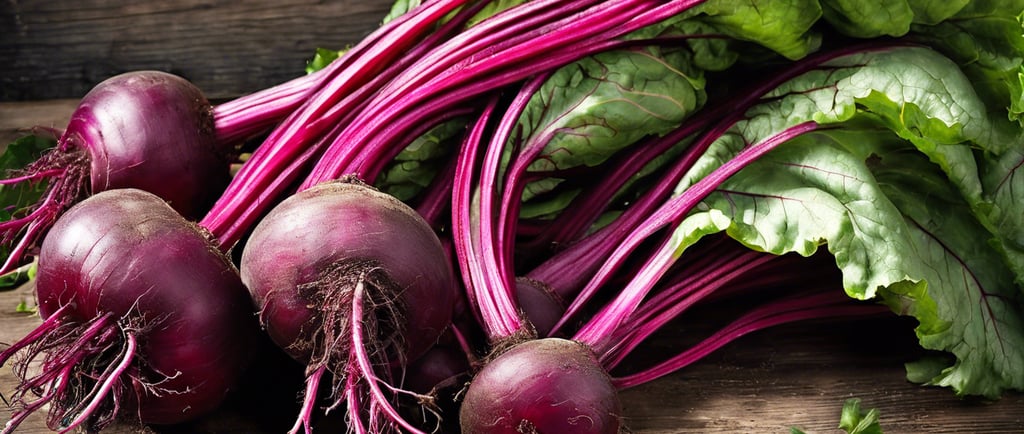
Choosing the right heirloom vegetable seeds can make all the difference between a garden that thrives and one that struggles. Unlike modern hybrids, heirloom varieties are open-pollinated, time-tested, and often packed with flavour, colour, and character. For hobby gardeners and allotment growers, selecting the best seeds isn’t just about taste, it’s also about ensuring plants are suited to your growing conditions, easy to care for, and capable of producing reliable, bountiful harvests. In this guide, we’ll explore how to pick heirloom seeds that combine beauty, resilience, and productivity, helping you enjoy a more rewarding and stress-free growing season.
What Is An Heirloom Vegetable Seed?
Heirloom vegetable seeds are from open-pollinated plant varieties, passed down through generations, usually 50+ years. Known for their unique flavours, colours, shapes and hardiness. Heirloom varieties allow gardeners to save seeds that will produce 'true to type' plants year after year. Unlike hybrids they reproduce naturally via wind or pollinators. They offer strong local adaptation and rich taste over commercial uniformity.
How Do You Know If A Vegetable Variety Is Easy To Grow?
There are a few key signs to look out for to determine whether a vegetable variety is easy to grow. This makes them great for beginners and container growing.
If it's fast growing (spinach, lettuce) can often be harvested in less than a month.
Can be direct sown (beetroot, dwarf and climbing beans, squash, Swiss chard, cucumbers).
Tolerates different conditions, soils, temperatures and weather its generally easy to grow.
It doesn't require special equipment for instance, grow lights, heat mats, greenhouse starting.
It has good natural pest and disease resistance.
What To Consider When Selecting Your Seeds
When selecting seeds, it helps to consider a few practical factors in order to get varieties that truly thrive in your garden.
Soil type is one of the most important things to consider when choosing your seeds, different plants thrive in different conditions.
Choose seeds suited to your local temperatures, rainfall and frost dates. Some varieties need long summers; others prefer cooler conditions.
Know how much sun your garden/growing space gets and how much room you have. Compact or dwarf varieties are best for small spaces or containers; vigorous vines need more room.
Some plants are beginner-friendly, while others need more care. Check if the variety is easy to grow, disease-resistant or tolerant of different soils.
Grow what you’ll be excited to harvest! Taste, texture and your favourite dishes all matter.
Are you after fresh salads, preserving, high yields, unusual colours, or ornamental value? Choose varieties that match your goals.
Check how long a plant takes from sowing to harvest. Short-season crops are ideal if you have a shorter summer or want quick results.
Some varieties are naturally resistant, making them easier and more reliable.
Comparing Popular Heirloom Vegetable Seed Varieties
We've curated a short collection of our popular heirloom vegetable seed varieties to give you an idea of what's best for an easy UK harvest
Winter Squash
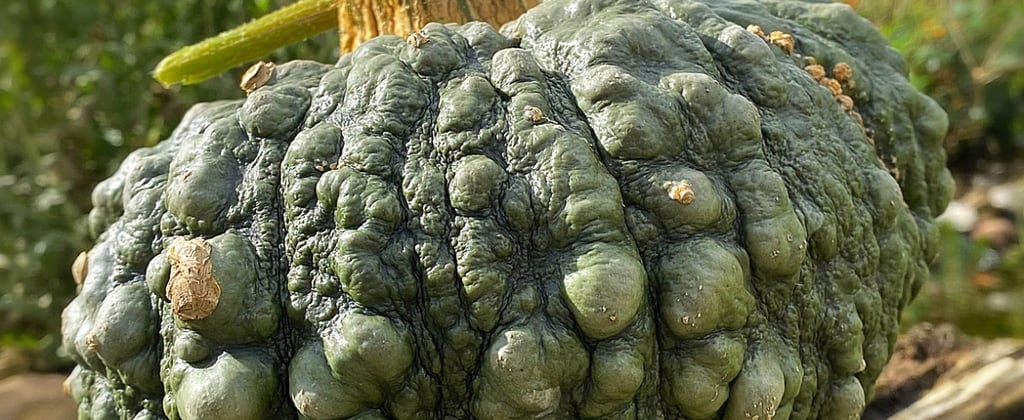
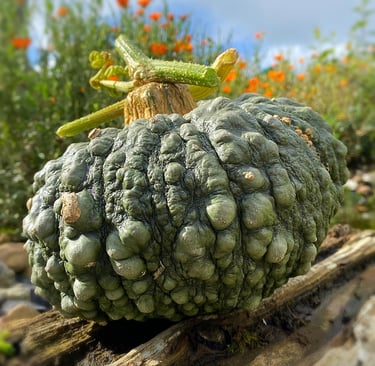
Marina di Chioggia
A traditional heirloom pumpkin known for its flattened, deeply ribbed green-grey skin and sweet, golden-orange flesh. This versatile winter squash is ideal for roasting, soups, stews, and baking, and stores exceptionally well, making it a staple for winter cooking.
Chillies & Peppers
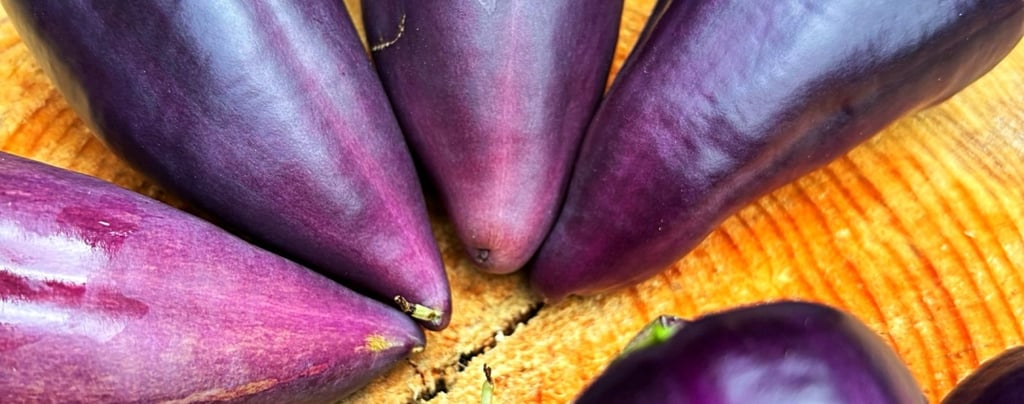
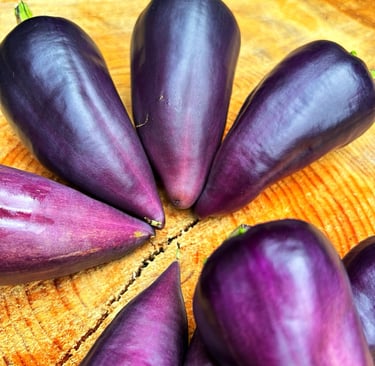
Violet Sparkle Sweet Pepper
Perfect for home gardens, allotments, or greenhouse cultivation. This striking variety produces compact plants adorned with shiny, violet-hued fruits that gradually ripen to a rich, deep purple, adding a splash of colour to your garden or kitchen. Known for their crisp texture and sweet, mild flavour, these peppers are ideal for fresh salads, roasting, grilling, or stuffing. Easy to grow from seed, they thrive in well-drained soil and sunny positions, making them a fantastic choice for both beginner and experienced gardeners.
Tomatoes
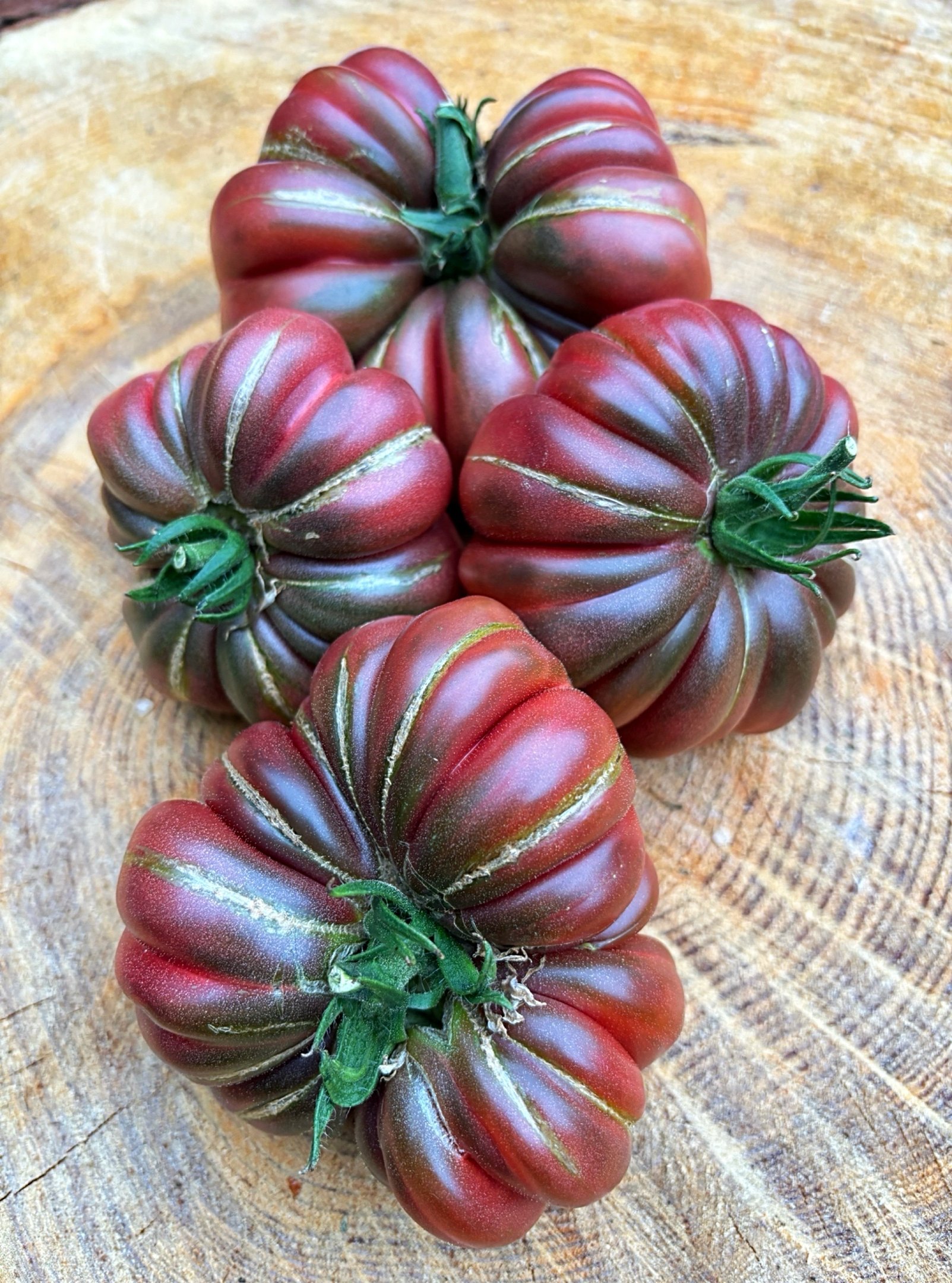
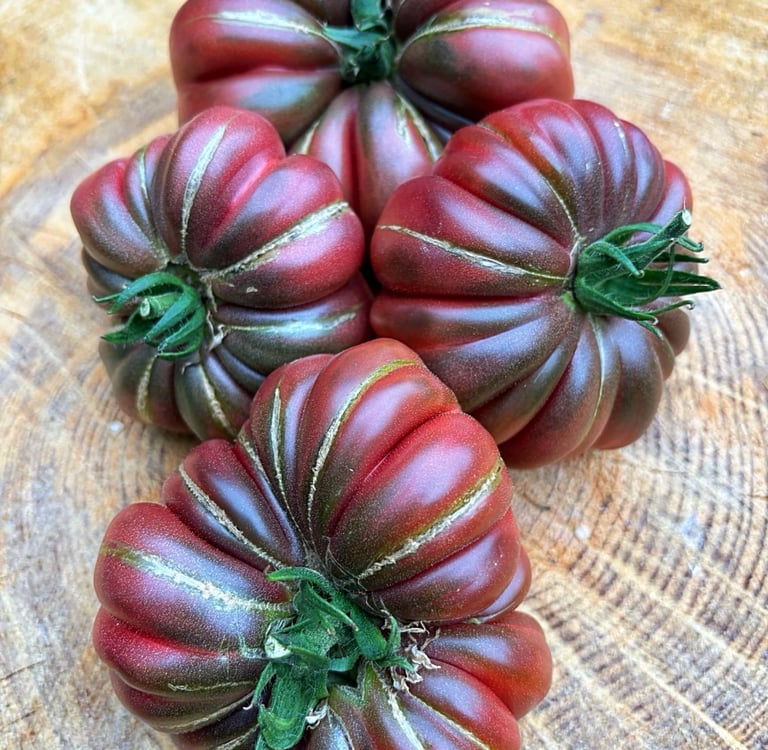
Zapotec Brown Flesh
An rare heirloom variety from the indigenous Zapotec people of Oaxaca, Mexico. These deeply ribbed, medium to large fruits feature a stunning reddish brown hue with a rich, earthy flavour and complex sweetness that makes them a standout in any dish, fresh or cooked. Fruit of 150-300g. Flavour Profile - Rich smoky sweet flavour. Perfect for slicing, roasting, or adding to gourmet sandwiches and sauces. Uniquely pleated, reddish brown fruits.
How To Set Up Your Vegetable Garden Layout For The Easiest Harvest
Start With the Essentials: Sun, soil, and access.
Most vegetables need full sun (6-8 hours daily). Place the tallest crops where they won’t shade shorter ones:
North side: tall sweetcorn, runner beans, climbing beans, peas, sunflowers.
Centre or north-east: mid-height crops (tomatoes, courgettes, kale, brassicas).
South/front: low crops (carrots, onions, lettuces, herbs).
Access For Easy Harvesting
Create paths wide enough to walk comfortably (30-45 cm).
Use bed widths no wider than 1.2 metres so you can reach the centre.
Group plants that need frequent harvesting (lettuce, herbs, beans, tomatoes) close to paths.
Put long-season crops that don’t need daily picking (squash, potatoes, parsnips) towards the back.
Soil Considerations
Heavy feeders benefit from richer soil or compost-rich beds.
Root crops prefer lighter, stone-free soil with lower nitrogen.
Mediterranean herbs prefer poor, free-draining soil.
Companion Planting
Companion planting is a gardening technique where plants are grown together for mutual benefit, such as improved pest control, pollination, and soil health. By combining plants that complement each other, gardeners can create a more balanced and productive ecosystem, often reducing the need for chemical pesticides. Companion planting also allows you to maximise your growing space.
The popular Three Sisters Method is a traditional companion planting method where sweetcorn, climbing beans, and squash are grown together for a symbiotic relationship. The sweetcorn provides a natural trellis for the climbing beans. The beans fix nitrogen in the soil, enriching it for the other two crops. The squash spreads large leaves to shade the soil, retain moisture, suppress weeds, and deter pests with prickly hairs.
Nutrient profiles & soil-sharing rules
Essential for keeping a vegetable garden healthy and productive. Vegetables fall into different feeding categories:
Heavy Feeders
Like tomatoes, brassicas, squash and sweetcorn need rich, compost-enriched soil and benefit from following nitrogen-fixing crops such as beans and peas
Medium Feeders
such as carrots, onions, lettuce and beetroot prefer moderately fertile soil without excess nitrogen, especially in the case of root crops
Light Feeders
like herbs, peas, radishes and many leafy greens can grow well in poorer soils and make good companions between heavier users.
When sharing soil, avoid pairing crops that compete strongly for the same nutrients or that interfere with each other’s growth: for example, alliums suppress the nitrogen-fixing bacteria that legumes rely on, so keep onions, leeks and garlic away from beans and peas.
Likewise, tomatoes and potatoes should not share beds due to identical nutrient demands and disease risks, and root crops like carrots shouldn’t follow parsnips because of shared pests. Good soil-sharing practice means rotating families annually, pairing plants with complementary nutrient needs, and using organic matter wisely to maintain long-term soil fertility.
Seed & Plant Protection
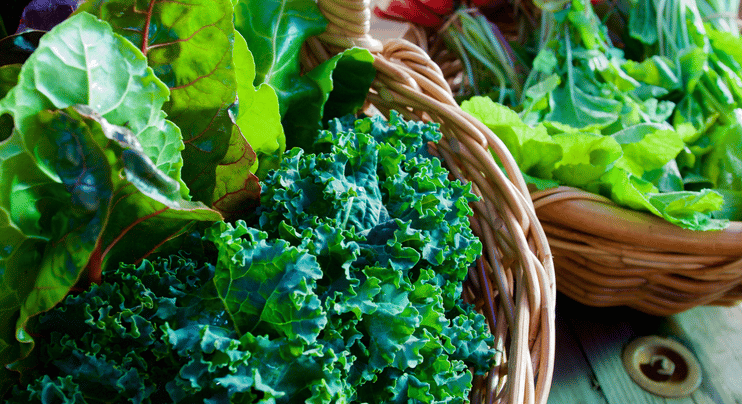
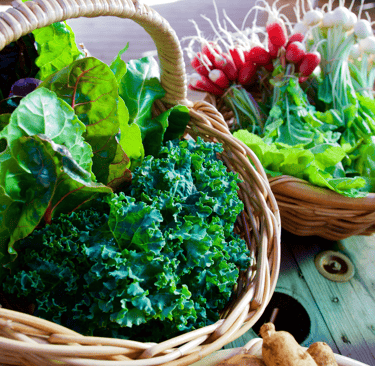
Protecting seedlings and mature plants from pests is essential for reliable harvests, especially for crops that are highly vulnerable such as carrots, brassicas and alliums. Each group benefits from a slightly different approach, but all rely on creating physical barriers, maintaining plant health, and reducing pest access.
Carrot Seedlings
Carrot seedlings and roots must be protected from carrot root fly, a pest attracted by the scent released when foliage is bruised or disturbed. Prevention begins at sowing: grow carrots in fine, loose soil to avoid damaging foliage while thinning. Use fine insect mesh or fleece (0.8 mm or finer) raised on hoops to fully enclose the bed—root flies are low fliers and keeping barriers at least 45-60 cm high prevents entry. Avoid thinning on windy days and water after handling plants to settle the scent. Companion planting with onions, leeks or chives helps mask the smell, though physical protection remains the most reliable method.
Brassicas
Brassicas (cabbages, broccoli, kale, sprouts and cauliflower) are best protected using sturdy mesh netting to prevent cabbage white butterflies, pigeons and flea beetles from accessing the foliage. Use 7-10 mm mesh for butterflies and birds, and insect mesh (0.8-1.0 mm) for flea beetles. Ensure the netting is held securely over strong frames—brassicas grow tall and can push up against loose covers. Nets must be kept taut to stop butterflies laying eggs through gaps or netting touching leaves.
Alliums
Alliums such as onions, garlic, leeks and shallots require protection from allium leaf miner, an increasingly common UK pest. Cover crops immediately after planting with fine insect mesh (0.3-0.8 mm) and seal the edges well to prevent flies from entering. Keep covers on during the key flight periods (spring and autumn). Crop rotation reduces overwintering larvae, and removing and destroying infected foliage helps contain the problem.
Greenhouse Or Polytunnel Growing
A greenhouse or polytunnel allows gardeners in the UK to extend the growing season, protect crops from cold, rain, and pests, and grow warmth-loving or delicate plants that might struggle outdoors. The key is to choose crops suited to higher temperatures and controlled conditions, while planning for airflow, space, and succession planting.
Warm Season Vegetables & Fruit
Thrive in greenhouses and polytunnels, where temperatures are higher and conditions more controlled than outdoors.
These include:
Tomatoes
Peppers
Chillies,
Cucumbers
Courgettes
Melons
Aubergines
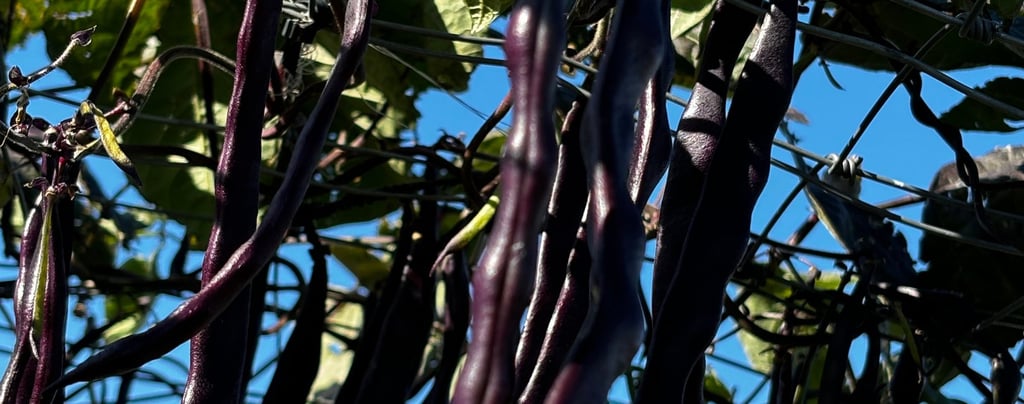
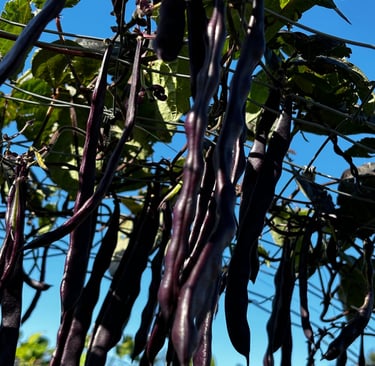
All of which need full sun, steady warmth, and fertile, well-drained soil. Climbing or vining varieties, such as runner beans and cucumbers, benefit from vertical supports to maximise space.
These crops can be sown earlier than outdoors, allowing an extended growing season, and succession planting ensures continuous harvests. Fruit crops such as strawberries and dwarf raspberries also flourish under cover, producing larger, earlier, and cleaner fruits while being protected from pests and heavy rain. Proper ventilation, regular watering, and careful monitoring of temperature and humidity are essential to prevent disease and ensure vigorous growth.
Early Or Continuous Salad Crops
Ideal for greenhouses and polytunnels, providing a steady supply of fresh leaves throughout the growing season. Lettuce, rocket, spinach, mizuna, mustard greens, and other salad leaves thrive in the sheltered, slightly warmer conditions, which slow bolting and extend harvesting periods. Quick-growing crops such as radishes or baby carrots can also be sown successionally, ensuring a continuous supply.
Herbs like basil, parsley, coriander, and chives flourish in this environment, allowing regular harvesting for the kitchen. By sowing in succession and maintaining consistent moisture and light, gardeners can enjoy fresh, tender salads almost year-round while protecting plants from frost, heavy rain, and pests.
Overwintered Crops
Allow gardeners to get an early start on the growing season and enjoy fresh produce during the colder months. Crops such as garlic, shallots, and long-day onions can be sown or planted in autumn and protected from frost, giving a strong head start for a summer harvest. Broad beans and hardy leafy greens like winter spinach, winter lettuce, and mache also benefit from the shelter, providing a continuous supply of tender leaves even when outdoor crops have slowed.
The controlled environment of a polytunnel or greenhouse protects these plants from harsh weather, reduces pest pressure, and maintains steady growth, making overwintering a reliable strategy for extending the garden’s productivity.
Seedlings & Propagation
Greenhouses and polytunnels are ideal for seedlings and propagation, providing a warm, protected environment that encourages strong early growth. They allow gardeners to start seeds of vegetables, herbs, and flowers several weeks earlier than outdoors, giving plants a head start on the season. Seed trays, plug plants, and cuttings benefit from consistent warmth, moisture, and light, which improves germination rates and reduces stress.
Tender herbs such as basil, lemon balm, and lemongrass thrive when propagated under cover, while delicate or slow-growing vegetables like aubergines, peppers, and tomatoes establish more vigorously before transplanting. Using greenhouses or polytunnels for propagation ensures healthier, more robust plants, leading to better yields and easier management throughout the growing season.
Tips For Greenhouse Or Polytunnel Planning
Ventilation: ensure vents or doors for airflow; prevent overheating.
Temperature control: use shading, thermal mass, or heaters in colder months.
Watering: drip irrigation or capillary mats reduce fungal problems.
Crop rotation: even indoors, rotate families to reduce soil-borne diseases.
Vertical growing: trellises, shelves, or hanging baskets maximise space.
Why Heirloom Varieties Are Ideal For Allotments & Hobby Vegetable Gardens
Heirloom varieties are ideal for allotments and hobby vegetable gardens because they combine flavour, diversity, and resilience, making them perfect for small-scale or personal growing. These open-pollinated, traditional varieties have been carefully preserved over generations, often offering superior taste, texture, and nutritional value compared with modern hybrids. Heirlooms provide a wide range of shapes, colours, and growth habits, adding visual interest and variety to the garden.
They are often well-adapted to local conditions and more genetically diverse, which can increase resilience to pests, diseases, and variable weather. For hobby gardeners, heirlooms also allow for seed saving, giving a sustainable and rewarding cycle of cultivation year after year. Their combination of heritage, flavour, and adaptability makes them especially suited to the hands-on, personalised nature of allotments and home gardens.
DEFRA LICENSED
Join the Seed Envy Community and receive exclusive offers and the latest news on new heirloom seed varieties straight from us.
Subscribe to our newsletter