Small Batches. Big Possibilities. Free UK delivery on £30+ Independently grown in Cheshire

What Are Heirloom Vegetable Seeds & Why Are They Perfect For UK Allotments?
Discover what heirloom vegetables are, and why they're perfect for your typical UK allotment
HEIRLOOM VEGETABLE INFORMATION
4/29/20265 min read
Heirloom vegetable seeds are traditional, open-pollinated varieties that have been passed down through generations, usually for 50 years or more. Valued for their incredible flavour, resilience, and reliability, they are a perfect match for UK allotments.
Unlike modern F1 hybrids, which are bred by crossing two parent plants for commercial uniformity and do not grow "true" from saved seed, heirlooms reproduce naturally via wind or pollinators. Their rich genetic diversity helps them cope with the UK’s unpredictable weather, cooler summers, and varied soils. By choosing heirlooms, gardeners can save seeds year after year, creating a cost-effective, self-sufficient growing cycle while preserving regional heritage and enjoying vegetables with standout character, quirky shapes, and exceptional taste.
Traditional Varieties Suited To British Weather
Because they were selected and grown over generations in the UK’s cool, variable climate, traditional heritage types are highly tolerant of damp springs, cooler nights, and sudden weather changes.
Classic Favourites
'Sunset' runner beans, 'Shirley' tomatoes, 'All Year Round' lettuce, and 'Autumn King' carrots perform reliably even in unpredictable weather.
Root Crops & Brassicas
Parsnips, beetroot, heritage turnips, 'January King' cabbage, and 'Purple Sprouting Broccoli' thrive in cooler soils and shrug off frost and wind.
Early-Spring Heroes
Traditional peas and broad beans, like 'Alderman' or 'Aquadulce Claudia', excel when the air is still crisp.
Top Heirloom Vegetables For UK Allotments
The UK’s temperate climate is ideal for hardy, adaptable heirlooms. Here are some of the most rewarding varieties for your plot:
Big Rainbow Tomato
A large beefsteak with a golden-yellow base and stunning red marbling. Sweet, mild, and low in acidity, making it perfect for a classic Caprese salad or roasting.
Costoluto Genovese Tomato
An Italian heirloom with deeply ridged, bright red fruits. Fruity, slightly acidic, and mildly sweet. Ideal for slicing, sauces, and soups.
Paul Robeson Tomato
Crimson-red flesh with a richly sweet, smoky taste and a hint of tang. Incredibly versatile for salads, sandwiches, sauces, or grilling.
Thorburn’s Terracotta Tomato
A showstopper with honey-brown skin, green/orange flesh, and green seed gel. Juicy and sweet with an earthy tang.
Tlacolula Pink Tomato
A unique pear-shaped, heavily ribbed pink Mexican variety. Visually stunning with a mild, sweet taste that is great for stuffing or salsas.
Karmazyn Broad Bean
Features striking pink seeds and a rich, buttery flavour. A sturdy, highly productive plant well-suited to UK conditions.
Blauhilde Climbing Bean
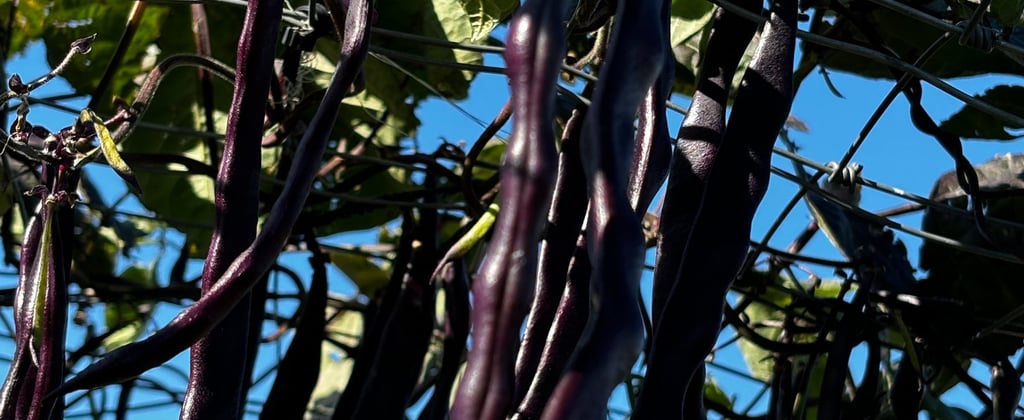
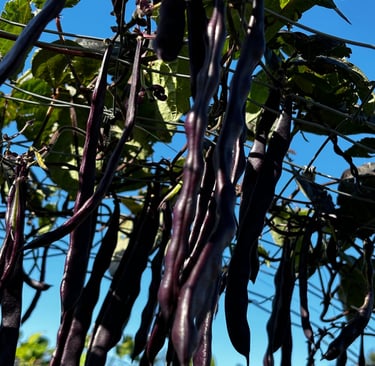
Yields long, tender purple pods bursting with flavour. Disease-resistant and perfect for trellises or small spaces.
Princess Climbing Bean
An old-fashioned flat-podded bean loved for its reliability. Produces generous crops of green and purple pods with a delicate texture.
Purple Teepee Dwarf Bean
Compact and vigorous. Its deep purple pods are flavoursome and may magically turn green when cooked, adding a fun surprise to meals.
Rhondda Black Runner Bean
A traditional, vigorous climber producing long, tender pods packed with sweet flavour. Perfect for UK wigwams or fences.
Boltardy Beetroot
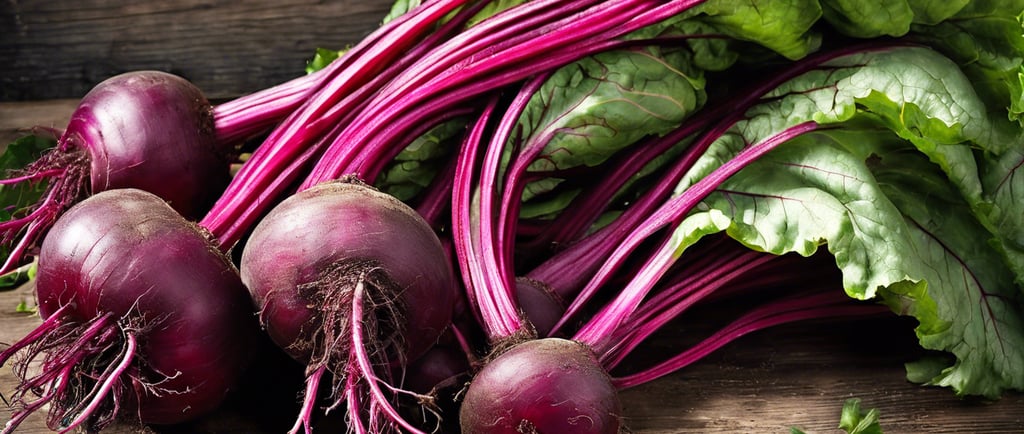
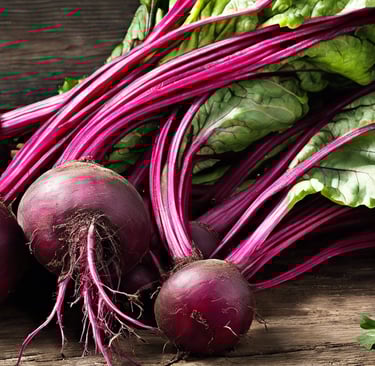
Renowned for deep red, round roots and a tender, sweet flavour. A dependable kitchen favourite with vibrant leaves.
Musselburgh Leeks
Introduced in the 1800s, this heritage variety boasts thick stems and outstanding hardiness. Withstands winter frost with ease, offering a mild, sweet flavour for soups and stews.
Freckles Lettuce
A charming Austrian heirloom with vibrant green leaves splashed in burgundy. Crisp, sweet, and tolerant of both early chill and summer warmth.
Giant Winter Spinach
Exceptionally hardy with large, dark green leaves. Produces abundant crops from late autumn through early spring in cold frames or open ground.
Lollo Rossa Lettuce
Frilly, burgundy leaves offering a delicate, mildly bitter crunch. Matures quickly for multiple harvests throughout the season.
Swiss Peppermint Chard
Vibrant pink and white stems against crinkled deep-green leaves. A highly nutritious, versatile green that produces a steady harvest.
Wild Rocket
Fast-germinating with intensely peppery leaves. Perfect for containers as a "cut and come again" crop for salads or pesto.
Tips for First-Time Allotment Growers
Thinking about growing heirloom vegetable seeds in your UK allotment? We've got some top tips to help you get started:
1 . Start Simple
Choose forgiving, climate-tolerant varieties like Boltardy beetroot, Musselburgh leeks, or Peppermint chard while you learn.
2 . Get the Timing Right
Sow tomatoes and chillies indoors between January and March, and sow root and leafy crops outdoors from March to July.
3 . Water Deeply
Encourage strong root systems by watering thoroughly at soil level, rather than adopting a "little and often" approach.
4 . Feed Strategically
Use seaweed or nitrogen for leafy greens, and high-potash feeds for fruiting crops once flowers appear. Avoid heavy feeding for root crops.
5 . Give Them Space & Support
Heirlooms can grow bushier or taller than modern types. Follow spacing guidelines to prevent mildew, and stake climbing varieties early.
6 . Embrace Imperfections
Odd shapes and colourful skins are part of the charm, and they often signal superior flavour!
Saving Seeds & Preventing Cross-Pollination
To keep your heirlooms genetically stable year after year, you must understand how they pollinate. Always save seed from your healthiest, earliest, and best-tasting plants.
Low Risk Crops
Tomatoes, peas, French beans, and lettuce mostly self-pollinate and rarely cross with one another.
High Risk Crops
Squash, pumpkins, courgettes, sweetcorn, brassicas, and beetroot cross easily.
How to Protect Purity
Space wind-pollinated crops far apart, or grow only one variety at a time on an allotment. For bee-pollinated crops, use insect-proof mesh bags over flowers or use hand-pollination techniques.
Cleaning & Drying Seeds
Yes, the growing conditions are almost identical. The main difference is the heat level of the fruit, not how the plant is grown.
Organic & Low-Input Growing
Heirloom vegetables were developed long before synthetic chemicals existed, making them naturally suited to low-intervention gardening.
Build Soil Health
Rely on compost, leaf mould, and mulch instead of chemical fertilisers. Try "no-dig" beds to keep soil structure intact.
Rotate Crops
Move crop families to new beds annually to naturally prevent pests and diseases.
Encourage Biodiversity
Use companion planting, such as marigolds for whitefly and nasturtiums for aphids, and create habitats for beneficial insects like ladybirds.
Use Natural Feeds & Hand-Pick Pests
Feed plants with homemade comfrey or nettle tea. Use netting for butterflies and physically remove slugs or caterpillars rather than spraying.
Common Mistakes To Avoid
Heirloom vegetables were developed long before synthetic chemicals existed, making them naturally suited to low-intervention gardening.
Choosing the Wrong Climate Profile
Do not grow heat-loving Mediterranean varieties outdoors in the UK. Prioritise short-season, cool-tolerant heirlooms unless you have a greenhouse.
Underestimating Size
Crowding plants leads to shading, poor airflow, and mildew.
Planting Too Early
Putting hardy heirlooms into cold, waterlogged soil invites rot and slugs. Wait for the soil to warm up.
Inconsistent Watering
Erratic watering causes cracked tomatoes, bitter lettuce, bolting, and blossom end rot.
Ignoring Weather Protection
Keep cloches, mesh, or fleece on hand to defend against cold snaps and heavy rain.
WARNING: Saving Seeds From Cucurbits (Squash, Pumpkins, Courgettes)
When saving seeds from cucurbits, uncontrolled cross-pollination, especially via bees on busy allotments, can produce offspring with dangerously high levels of cucurbitacins. These compounds cause "toxic squash syndrome," making the resulting fruit extremely bitter and potentially harmful to eat. Only save seed from these crops if you have used deliberate hand-pollination or proper isolation techniques.
Browse The Seed Envy Shop For Heirloom Seeds
Thinking about starting some heirloom seed varieties on your UK allotment? We stock a wide range of unique and flavourful seeds to get your started.


All Seeds
Rare heirloom seeds.
A garden that feels your own.
Find your seeds
Keep growing
Here to help
Sowing Calendar


For the love of growing something different.
2026 Seed Envy - Cheshire UK
DEFRA LICENSE 8040