FREE UK P&P ON ORDERS £30+
DEFRA LICENSED - 100% HEIRLOOM, OPEN-POLLINATED, SMALL BATCH, HIGH QUALITY SEEDS FROM CHESHIRE

Everything You Need To Know About Heirloom Flower Seeds
Explore our complete hub covering everything you need to know about growing and buying heirloom flower seeds in the UK. From practical growing advice to seasonal guidance, this page is designed to help you choose, sow and enjoy heritage flowers with confidence.
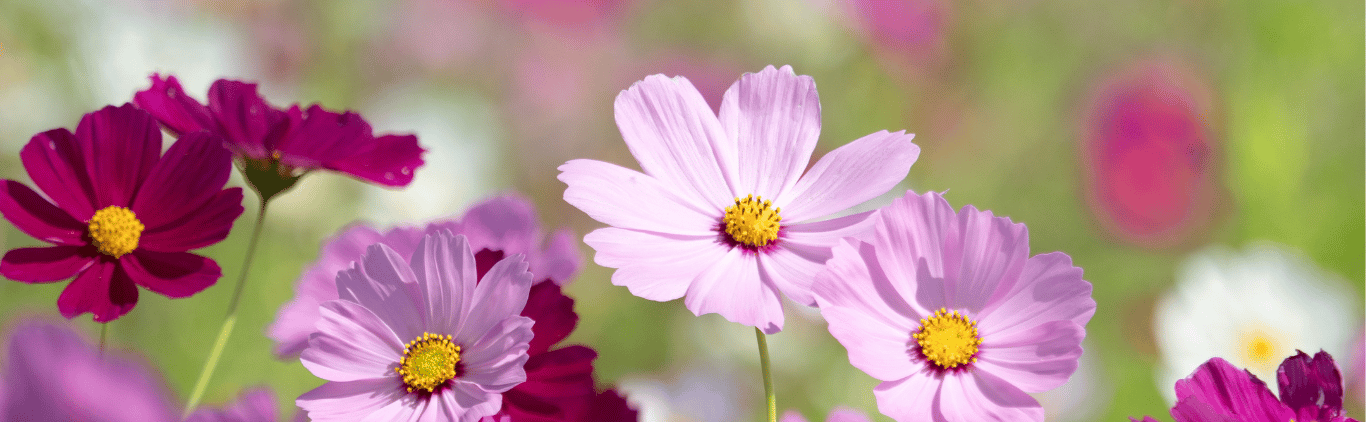
Organic Flower Seed Hub
What Are Heirloom Flower Seeds?
Heirloom flower varieties are typically preserved through careful selection and seed saving, often originating from cottage gardens, allotments and small scale growers. Many traditional English flower seeds have adapted over time to local conditions, making them well suited to UK climates.
Where Do They Come From?
Why Are They Special?
Heirloom flowers offer greater diversity in shape, colour and fragrance compared to many modern varieties. They also support biodiversity by providing valuable nectar sources for pollinators such as bees, butterflies and hoverflies.
Heirloom flower seeds come from open pollinated plants that have been grown and passed down over generations for their unique characteristics. These may include colour, fragrance, growth habit or resilience, often reflecting traditional garden varieties that predate modern hybrid breeding. Unlike hybrid seeds, heirloom flowers rely on natural pollination from wind and insects. This means they remain genetically stable, allowing gardeners to save seeds from one season to the next with consistent results. For many growers, this makes heirloom flower seeds a more sustainable and rewarding choice.
Latest Heirloom Flower Seed Posts
Our latest articles and growing guides explore heirloom flower seeds in more detail, covering sowing techniques, seasonal advice and practical tips for different growing environments. These guides are regularly updated to reflect the UK growing calendar and common questions from gardeners.
Why Should You Grow Heirloom Flower Varieties?
Heirloom flower seeds are particularly well suited to UK gardens, where variable weather, cooler temperatures and shorter growing seasons can challenge more uniform modern varieties. Many heritage flower seeds have naturally adapted over time, making them more resilient in changing conditions.
Growing heirloom flowers also brings a wider range of benefits beyond appearance. From supporting pollinators to improving biodiversity, these plants play an important role in healthy garden ecosystems some flowers are even edible. Bee friendly flower seeds, for example, provide nectar rich blooms that attract bumblebees and solitary bees, while wildflower seeds can help create habitats for beneficial insects.
For gardeners looking to grow more sustainably, heirloom flower seeds offer a long term approach. Because they are open pollinated, they allow for seed saving, helping preserve genetic diversity and reduce reliance on commercially produced seed. Whether grown in a greenhouse, allotment or small garden space, heirloom flowers provide both practical and environmental value.
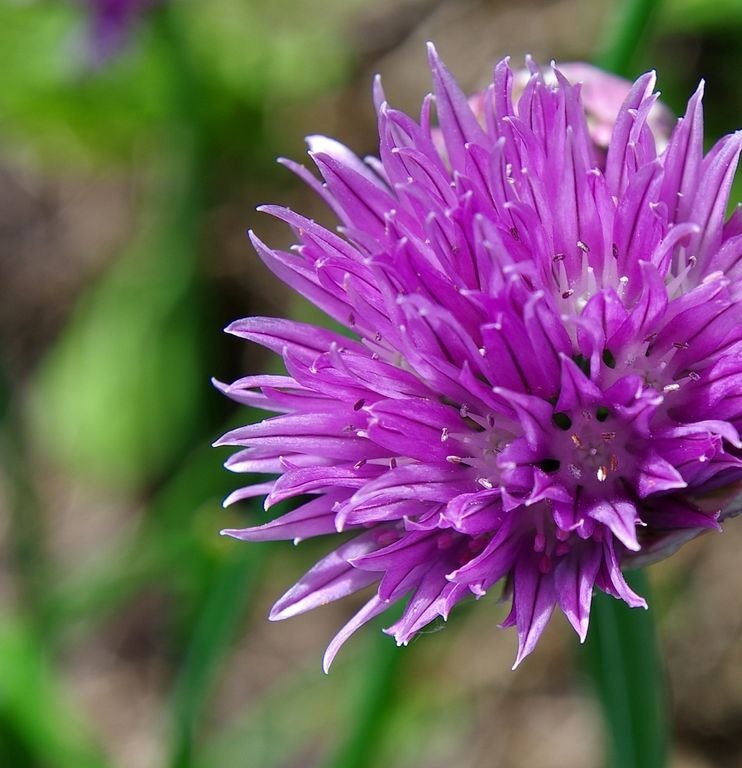
Our Favourite Heirloom Flower Seed
We have selected a range of heirloom flower seeds that are well suited to different growing styles and garden spaces.
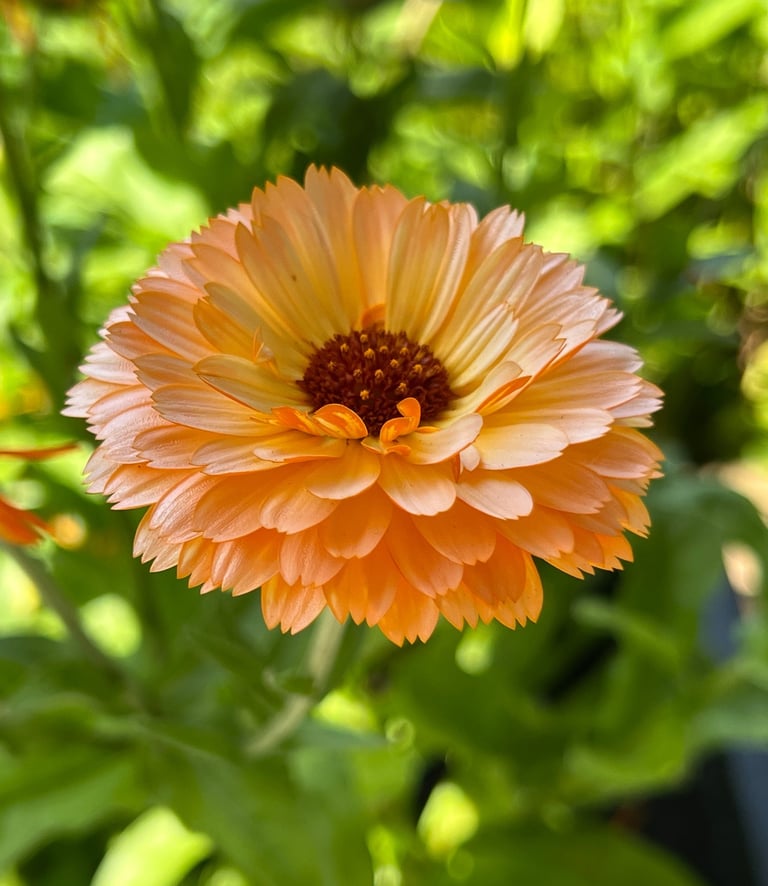
Cottage Garden Flower Seeds
Cottage garden flower seeds are among the most popular heirloom choices, known for their relaxed, natural appearance and long flowering periods. Varieties such as heirloom hollyhock, foxglove, cornflower and calendula bring height, colour and structure to borders while thriving in typical UK conditions.
These traditional flowers are often grown as a mix of annuals, biennials and perennials, allowing for continuous interest throughout the season. They are particularly well suited to informal planting schemes and can be grown easily in both large gardens and smaller spaces.
Pollinator Friendly Flower Seeds
Bee friendly flower seeds and other pollinator focused varieties are essential for supporting local wildlife. Flowers such as heirloom cosmos, sunflower and marigold produce high nectar density, attracting bees, butterflies and hoverflies throughout the growing season.
These flowers not only improve biodiversity but can also enhance vegetable growing through companion planting, encouraging better pollination and healthier crops. They perform well in open ground, raised beds or mixed planting schemes.
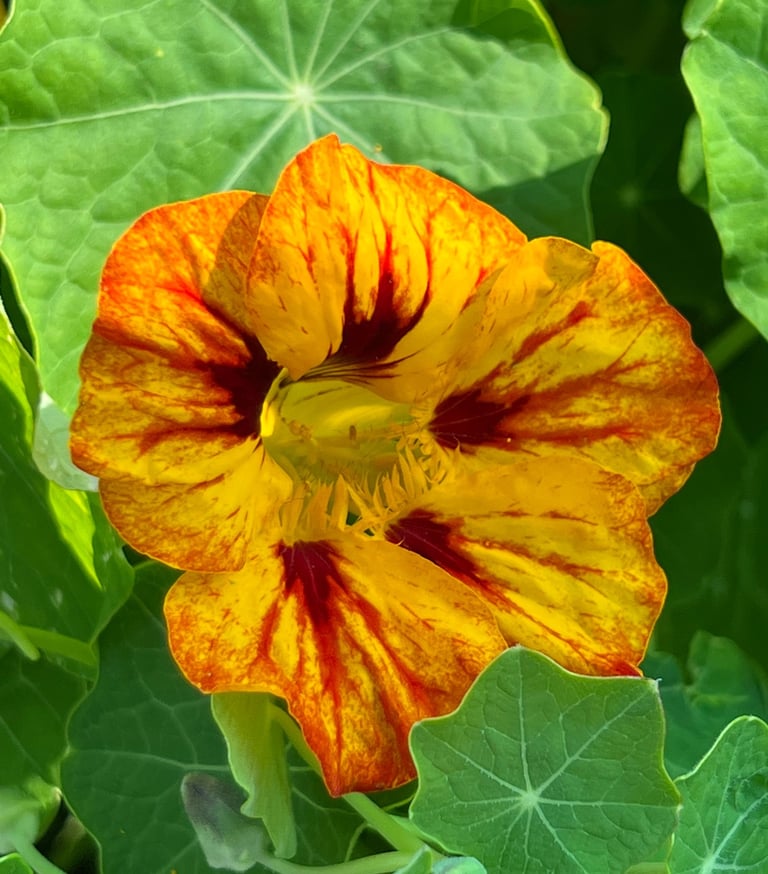
Flowers For Pots & Small Spaces
Heirloom flower seeds can also be grown successfully in containers, making them ideal for patios, balconies and compact gardens. Varieties such as nasturtium, dwarf zinnia and compact cosmos perform well in pots when given adequate light and well drained compost.
Container growing allows for better control over soil pH and moisture levels, helping to improve germination rates and overall plant health. These flowers are a good option for beginners or those working with limited space.
Cutting Garden Flower Seeds
Heirloom cutting garden seeds are grown for their suitability in floristry, offering strong stems, long vase life and distinctive blooms. Varieties such as zinnia, sweet pea and certain heirloom poppy types are valued for both their appearance and reliability.
These flowers benefit from regular harvesting, which encourages further flowering and extends the season. Many are easy to grow from seed and can be sown in succession for a continuous supply of cut flowers.
DEFRA LICENSED

Join the Seed Envy Community and receive exclusive offers and the latest news on new heirloom seed varieties straight from us.
Subscribe to our newsletter