Small Batches. Big Possibilities. Free UK delivery on £30+ Independently grown in Cheshire

Which Heirloom Flower Seeds are Best for Wild UK Bees?
Everything you need to know about choosing heirloom flower seeds for UK bees
HEIRLOOM FLOWER INFORMATION
1/25/20267 min read
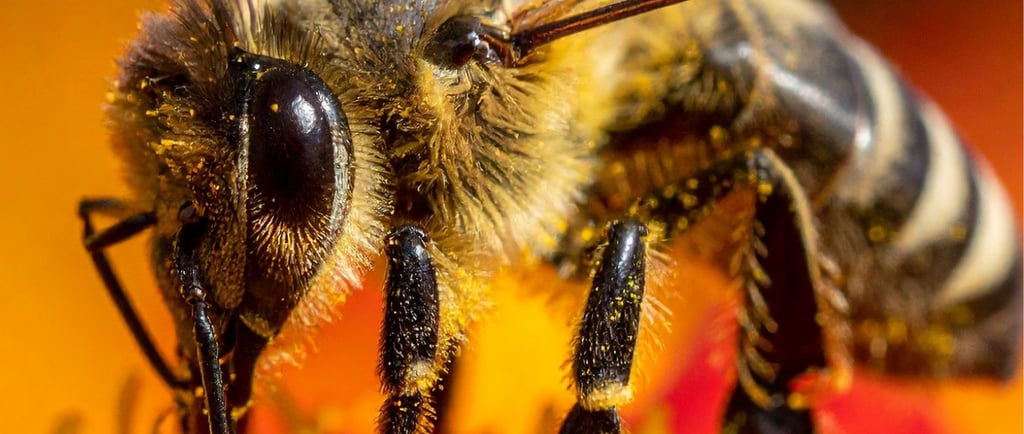
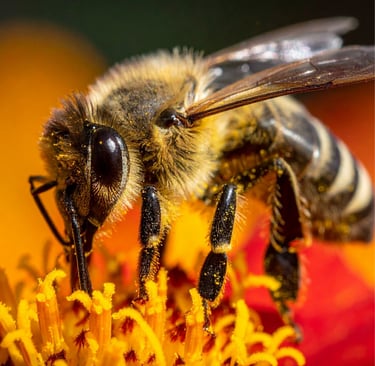
Wild bees are some of the most important pollinators in UK gardens, yet many are struggling due to habitat loss and a lack of suitable flowering plants. Choosing the right flowers can make a real difference, and heirloom flower seeds are an excellent place to start.
Unlike many modern ornamental varieties, heirloom flowers are rich in pollen and nectar, with open blooms that are easily accessible to native bees. Well suited to the UK climate, these traditional varieties provide reliable food sources from early spring through to autumn, helping to support bumblebees, solitary bees and other vital pollinators.
In this guide, we explore which heirloom flower seeds are best for wild UK bees and how to grow them to create a truly bee friendly garden.
What Are Heirloom Flower Seeds?
Heirloom flower varieties are open pollinated plants that have been grown and saved over generations, often long before modern hybrid breeding became common. Because they are open pollinated, they grow true from seed. This allows gardeners to save and replant them year after year while preserving their original characteristics.
Unlike many modern ornamental flowers bred mainly for appearance, heirloom flowers tend to have simple, open blooms that still produce abundant nectar and pollen. This makes them especially valuable for wildlife, particularly wild UK bees and other pollinators.
They are also typically well adapted to local growing conditions, coping better with cooler summers, variable weather and poorer soils. For gardeners, heirloom flower seeds offer reliability, strong growth and a deeper connection to traditional gardening, while supporting biodiversity and healthier ecosystems.
Open Pollinated Vs Hybrid Flower Varieties
Understanding the difference between open pollinated and hybrid varieties helps gardeners make informed choices, especially when saving seed.
Open Pollinated Varieties
Open pollinated varieties are pollinated naturally by insects, birds, wind or self pollination. When grown in isolation, they produce seeds that grow true to type, meaning the next generation closely resembles the parent plant.
Heirloom varieties fall into this category. They are valued for their reliability, genetic diversity and suitability for seed saving. Over time, open pollinated plants can adapt to local UK growing conditions, becoming more resilient and dependable in home gardens and allotments.
Hybrid Varieties
Hybrid varieties, often labelled F1, are created by deliberately crossing two parent plants to produce specific traits such as uniform size, disease resistance or high yields. While hybrids can be vigorous and consistent, their seeds do not reliably grow true if saved. Gardeners must therefore purchase new seed each year, and hybrids often lack the genetic diversity found in open pollinated varieties.
For those who value seed saving, biodiversity and long term sustainability, open pollinated and heirloom varieties are generally the better choice, particularly in UK gardens where resilience is important.
Think About Nectar Density & Pollen Quality When Choosing Your Heirloom Flower Seeds
When choosing flowers to support wild UK bees, nectar density and pollen quality are just as important as the number of blooms.
Nectar provides carbohydrates for energy, while pollen supplies essential proteins, fats, vitamins and minerals needed for growth and reproduction.
Why Heirloom Flower Seeds Perform Better
Heirloom and open pollinated flowers tend to offer higher quality nectar and pollen because they have not been bred purely for appearance. Many modern double flowered varieties either produce very little nectar and pollen or make them inaccessible to insects.
In contrast, heirloom flowers usually have open structures that allow bees easy access.
Nectar Density Explained
Nectar density refers to the concentration of sugars within nectar. Flowers with higher nectar density give bees more energy per visit, which is especially valuable during cool or wet UK weather when foraging becomes more difficult.
High quality pollen contains a balanced profile of amino acids and nutrients that are vital for larval development and long term bee health.
Planting a range of nectar and pollen rich heirloom flowers that bloom across the seasons ensures consistent, nutritious food sources throughout the year.
Think About Simple Flower Structures That Wild UK Bees Can Easily Access
Flower structure plays a crucial role in how useful a plant is to bees.
Simple, open flower shapes allow bees to reach nectar and pollen without expending excessive energy. Heirloom and traditional varieties typically have single, open centres with visible stamens. These are ideal for wild UK bees, including bumblebees and solitary species.
In contrast, many modern double flowered varieties have tightly packed petals that hide the reproductive parts of the flower. While attractive, they often offer little usable nectar or pollen.
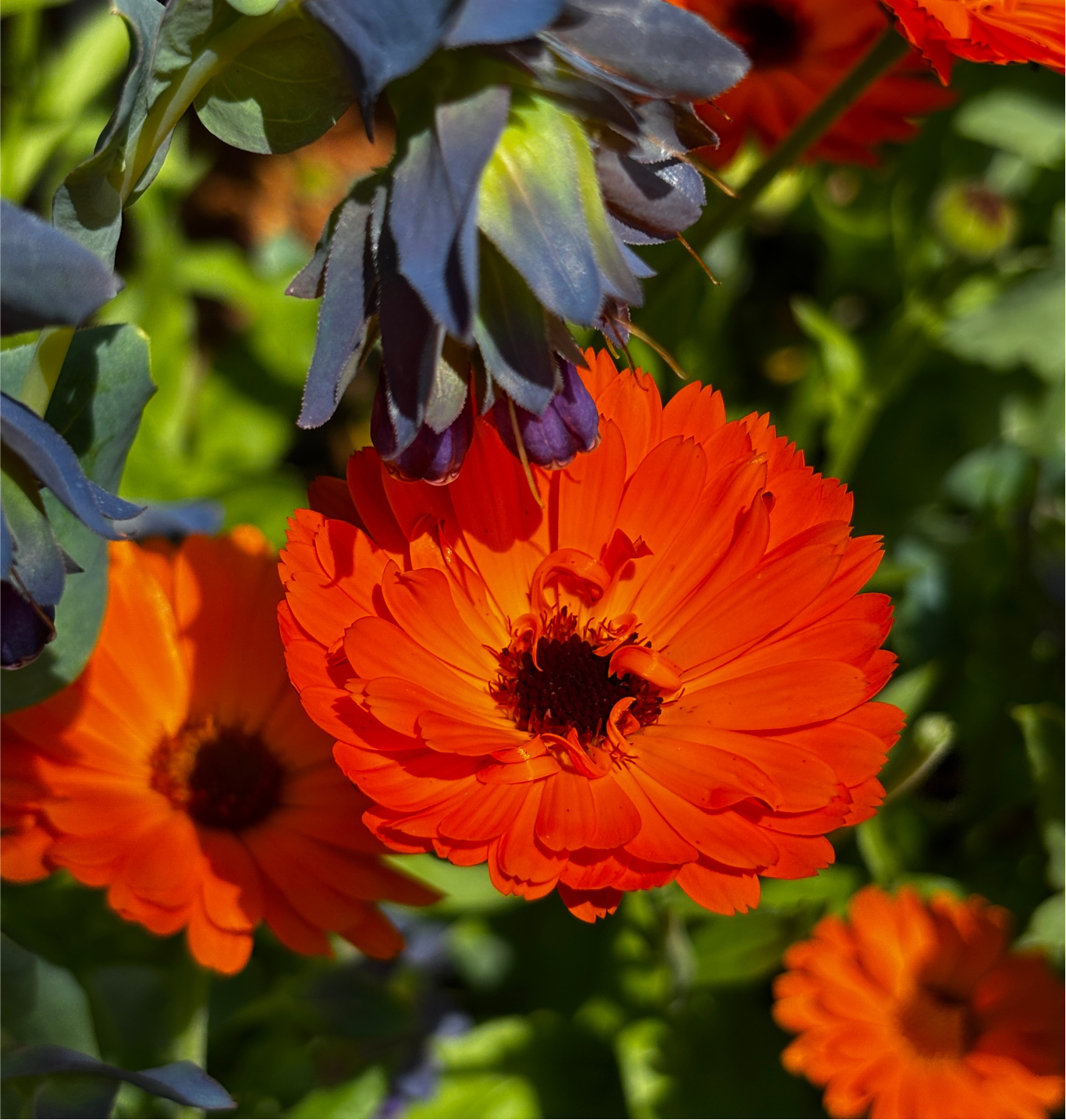
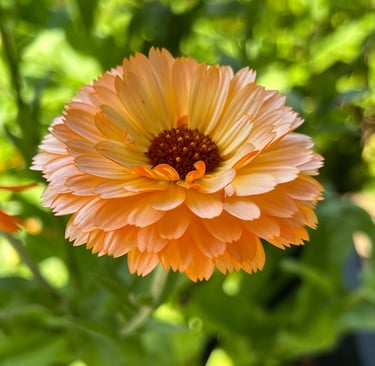
Choosing uncomplicated flower forms such as calendula, echinacea, borage and nasturtiums ensures your planting choices actively support bee feeding and foraging. These simple structures also tend to cope better with the UK’s variable weather.
Prioritise Longer Blooming Periods For Sustained Foraging
Wild UK bees need nectar and pollen from early spring through to late autumn. Short bursts of flowering are not enough.
Heirloom flowers are particularly valuable because many have extended flowering windows and continue blooming when regularly deadheaded. Plants such as calendula, nasturtiums, cosmos, borage and phacelia can flower for months, even in cooler or unpredictable summers.
Sustained flowering is especially important in late summer and early autumn, when many wildflowers have finished but bees are still building winter reserves.
By choosing varieties with overlapping bloom times and allowing some plants to self seed naturally, gardeners can create a resilient and reliable food source.
Match Your Seeds To The UK Climate
The British climate is often cool, wet and windy, with limited direct sunlight. These conditions influence both bee activity and flower performance.
Cool Summers
Cool temperatures can slow flowering and reduce nectar production. Bees rely on warmth to generate flight energy, so lower temperatures shorten foraging periods. Bumblebees, being more cold tolerant, are particularly important under these conditions.
High Rainfall
Frequent rain can dilute nectar, reducing its attractiveness. Heavy rain may also damage delicate blooms and limit bee activity.
Wind Exposure
Strong winds reduce foraging efficiency and increase energy expenditure. Flowers with stable stems and accessible centres perform best in exposed areas.
Limited Sunlight
Bees depend on warmth from sunlight to raise their body temperature. Many flowers produce nectar only when warmed by direct light, so reduced sunlight can limit nectar availability.
In this climate, heirloom flowers with abundant and accessible nectar are more likely to be visited, even during challenging conditions.
Our Best Heirloom Flower Seeds For Wild UK Bee
Growing Tips For Bee Friendly Heirloom Flowers
Choose The Right Varieties
Select single flowered heirlooms rather than double forms. Choose varieties suited to cool summers, wind and rainfall. Mix early, mid and late season bloomers.
Plant In Clumps
Bees forage most efficiently on grouped flowers. Clusters also help protect delicate blooms from wind.
Provide Shelter
Use hedges or natural windbreaks to protect tall plants such as foxglove and sunflower. South facing borders maximise warmth.
Soil & Drainage
Most heirloom flowers prefer well drained soil. Improve fertility with compost but avoid excessive nitrogen, which encourages foliage at the expense of pollen.
Watering
Water new plantings during dry spells. Avoid overwatering flowers, as excessive moisture can dilute nectar and encourage fungal disease.
Deadheading & Pruning
Deadhead regularly to prolong flowering. Allow some plants to set seed to support self seeding and natural regeneration.
Avoid Pesticides
Use natural pest management methods and encourage beneficial insects. Chemical treatments can harm pollinators.
Provide Continuous Bloom
Plan for flowering from February to October by mixing early, mid and late bloomers.
Planting & Germination Tips For Your Chosen Heirloom Flower Seeds
Creating A Bee Friendly Habitat
A bee friendly habitat includes food, shelter and safety. Planting heirloom flowers, providing nesting areas and avoiding chemicals can transform a garden into a thriving pollinator space.
Even small changes such as adding a shallow water source or allowing a patch of grass to grow naturally can have a positive impact. A garden designed for bees supports biodiversity, improves fruit and flower yields and increases overall garden vitality.
How To Create Nesting Spots For Solitary UK Bees
Solitary bees make up the majority of bee species in the UK, and unlike honeybees, they do not live in hives but instead rely on safe, individual nesting sites. Around seventy percent of species nest in bare soil, preferring sunny, well drained patches of exposed earth that remain undisturbed during spring and summer.
Others choose hollow plant stems, old beetle holes in wood, or purpose built bee hotels. You can support them by leaving some natural materials such as hollow stems, twigs and leaf litter in quiet corners of the garden, rather than clearing everything away. Nesting areas should be warm, dry and sheltered from heavy rain and strong wind, and kept free from pesticides or herbicides.
Providing a shallow dish of water with pebbles for landing, or even a small pond nearby, can also help species that use mud in nest construction. Supporting solitary bees in this way is simple and highly rewarding, and when combined with nectar rich heirloom flowers, it helps create a productive, resilient and vibrant garden ecosystem.
Browse The Seed Envy Shop Today
Explore our shop to start selecting your heirloom wild flower seeds for UK bees. If you've got any questions, or just need some advice, then feel free to reach out.
Best Pollen Producing Blooms
Foxglove
Sunflowers
Long Season Flowering Varieties
Lavender
Sweet Pea
Allium ornamentals
Lavatera
Calendula
Foxgloves
Early Flowering Varieties
Crocus
Snowdrops
Hellebore
Primrose
Forsythia
Mid Season Options
Campanula
Phlox
Allium ornamentals
Sweet Pea
Ragged Robin
Late Summer & Early Autumn
Calendula
Lavatera
Sunflowers
Sedum
Japanese Anemone
Echinacea purpurea
Germination Basics
Use light, well draining compost.
Maintain temperatures between 15 and 22 degrees Celsius.
Surface sow light dependent seeds such as calendula and corncockle.
Keep soil evenly moist with gentle watering.
Sowing Methods
Direct sow hardy annuals outdoors after the last frost.
Start tender or slow germinating species indoors six to eight weeks before the last frost.
Harden off seedlings before planting outdoors.
Transplanting Seedlings
Plant after frost risk has passed.
Space tall flowers 30 to 50 cm apart.
Space medium plants 20 to 30 cm apart.
Space low growing flowers 15 to 20 cm apart..
Special Germination Techniques
Scarify hard coated seeds such as sweet pea to improve germination.
Stratify certain perennials like foxglove or hellebore with a cold period.


All Seeds
Rare heirloom seeds.
A garden that feels your own.
Find your seeds
Keep growing
Here to help
Sowing Calendar


For the love of growing something different.
2026 Seed Envy - Cheshire UK
DEFRA LICENSE 8040