FREE UK P&P ON ORDERS £30+
DEFRA LICENSED - 100% HEIRLOOM, OPEN-POLLINATED, SMALL BATCH, HIGH QUALITY SEEDS FROM CHESHIRE

Information Hub: Heirloom Herb Seeds
At Seed Envy, we've passionate about heirloom herb seeds. From their unique flavours and distinct appearance, there's a lot to love. But we understand that not everyone is aware of everything these rare and unique seeds have to offer. That's why we've built this information hub, to help you understand everything about heirloom herb seeds in the UK.


About Heirloom Herb Seeds
What Are Heirloom Vegetable Seeds?
Heirloom herb seeds come from traditional varieties that have been grown and preserved over generations. They’re valued for their distinctive flavours, aromas, colours and characteristics, offering something different from standard garden-centre varieties.
Where Do They Come From?
Why Are They Special?
They can introduce distinctive flavours and aromas to your cooking, give you access to unusual varieties rarely found, and help preserve traditional plants and their genetic diversity. For gardeners who enjoy growing from seed, they’re a simple way to explore more interesting varieties while keeping plant heritage alive.
Latest Heirloom Herb Seed Posts
Our latest articles and growing guides explore heirloom herb seeds in more detail, with practical sowing advice, seasonal growing tips and guidance for UK gardeners. We cover everything from choosing varieties to getting the best from your herbs throughout the growing season.
Why Grow Heritage Herb Seeds In The UK?
There are plenty of reasons to choose heirloom herbs, particularly if you enjoy growing unusual plants or want more control over what goes into your garden.
Discover Distinctive Flavours & Aromas
Heirloom herbs offer a chance to explore distinctive flavours, aromas and growing characteristics. From unusual basil varieties to different forms of sage, thyme, dill and fennel, growing from seed lets you choose herbs suited to your cooking, space and preferences.
Grow Something Less Ordinary
Seed packets can open up a much wider range of varieties than the small selection of mature herb plants typically available in shops.
This makes growing from seed particularly appealing to gardeners who enjoy unusual or lesser-known plants. A few packets can also give you enough plants to experiment with different positions, containers and growing methods.
Support Diversity In The Garden
Plant diversity matters at both a garden and wider agricultural level. Maintaining a wider range of varieties means maintaining a wider range of characteristics and genetic material. Growing heirloom and open-pollinated varieties is one small way gardeners can take an active interest in that diversity, particularly when they also learn how to save seed responsibly.


Our Favourite Heirloom Herb Seeds
We've created a list of our favourite heirloom herb seeds to grow for your convenience, in no particular order.


Basil
Basil is a popular choice for growing from seed, particularly when you can provide warmth and plenty of light. In the UK it is generally grown as an annual because it needs warmth to perform well. It is an excellent example of why variety selection matters: different basils can offer different aromas, colours and leaf shapes, such as 'Genovese' basil.
Dill & Coriander
Parsley
Parsley is a biennial and can provide a long-lasting supply of leaves when grown in suitable conditions. It is also a useful example of a herb where growing from seed gives gardeners more flexibility over when and how they establish plants.

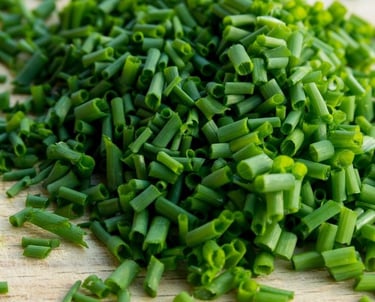
Fennel, Chives & Other Perennial Herbs
Perennial herbs can be useful for creating structure and continuity in a garden. Fennel and chives are examples of herbs that can return for several seasons, while other traditional herbs can provide culinary, aromatic or ornamental value.
Our herb range includes traditional choices such as fennel, lovage and parsley, alongside its wider focus on unusual and heritage varieties.
Sage & Thyme
Sage and thyme are longer-lived herbs that can become permanent features of a herb garden. They generally prefer sunny, well-drained conditions, making them particularly suitable for gardeners who have a warm, relatively dry growing position.
DEFRA LICENSED

Join the Seed Envy Community and receive exclusive offers and the latest news on new heirloom seed varieties straight from us.
Subscribe to our newsletter